
This is a love story. If you’ve practice yoga for any amount of time, by now you’ve develop a trusting relationship with your yoga mat. Yes, you’ve blamed it for your short comings, you’ve stepped all over it, you’ve tried parting with it, you’ve even cheated on it, but your heart and your practice always come back to it. So as any good relationship counselor will tell you, today is the best time to strengthen this relationship and I suggest you start with a bath.
Now lets face it, after the bliss of Savasana, picking up a spray bottle may be the last thing in your mind, but, alas, as with any cleanse strategy, maintenance is everything. If you keep your feet clean and your practice isn’t a sweat fest, a quick spray and wipe once a week if you are an active practitioner (or every other week if you are a passive one) should be enough to keep your mat fairly clean and free from smell-inducing-bacteria.
I’ve tried various methods to clean my mat; from good 'ol soap (bad, bad, bad idea), to fancy prepackage wipes, I didn't find them very effective. After 20+ years of yoga practice I’m sharing my yoga mat cleansing routine. These methods I’ve used for years on my robber-like mats and fabric-like mats, not with the leather like kind…If you own an upscale yoga mat, chances are that the manufacturer has instructions for cleaning it, you’re gonna have to make a judgement if my methods will work.
Spot cleaning and after class:
So this is my formula for a yoga mat cleaning solution, which I created after trying various versions. There’re products out there in the market to clean yoga mats, by all means try them out, I am sure some are fantastic. Whatever you use, make sure there isn't any surfactant in it (i.e., a fancy way of saying soap) or you will be sliding on your mat like a lizard on marble floors - not pretty.
Ingredients for the yoga mat cleansing solution:
spray bottle (glass preferred)
white vinegar (a natural bleach, disinfectant)
water (Universal solvent, ask any Alchemist!)
alcohol such as vodka (natural drying agent, ask anyone who drinks martinis)
Tea Tree Essential oil and/or Lemongrass (any other antibacterial Essential Oil will work, I order my with Young Living)
In a spray bottle add 1 part white vinegar, 2 parts water, 1 part alcohol and 1/1000 parts tea tree essential oil. [For example, 1 cup vinegar, 2 cups water, 1 cup alcohol, ~15 drops of essential oil] This is a very inexpensive way to create a disinfectant and cleaning agent that does not contains any type of surfactant and it is also great to clean windows/mirrors! This solution works great, just spray it on your mat and use a cleaning cloth to wipe out the mat. Let it dry and store away.
Deep Cleanse
Now, if your mat is dirty, you may need more than a spray and wipe to get it clean. Here is when a “romantic bath” comes in.
a bath tub (or a washing machine)
two towels
drying rack (or two chairs, though you should really consider having a drying rack at home)
1/2 cup of backing soda
scrubbing brush
To give your yoga mat a bath, you will need about twenty minutes for the bath portion (or the wash cycle, cold temp water) and a space to hang to dry your mat for at least 48 hrs. Set the drying rack onto a towel. Take you mat and roll it out into your bath tub, the fitting may depend on the size of your tub and mat, so do the best you can. Spray the yoga mat cleansing solution as described above, if the mat is really dirty, add baking soda . Fill the tub with about 1 to 2 inches of water and begin to use the good 'ol elbow grease with the scrubbing brush. If you are using a washing machine, spray mat with cleaning solution and then add backing soda instead of detergent.
You can repeat the spray, baking soda, water and scrubbing as many times as your mat needs it. When you are satisfied, rinse the mat.
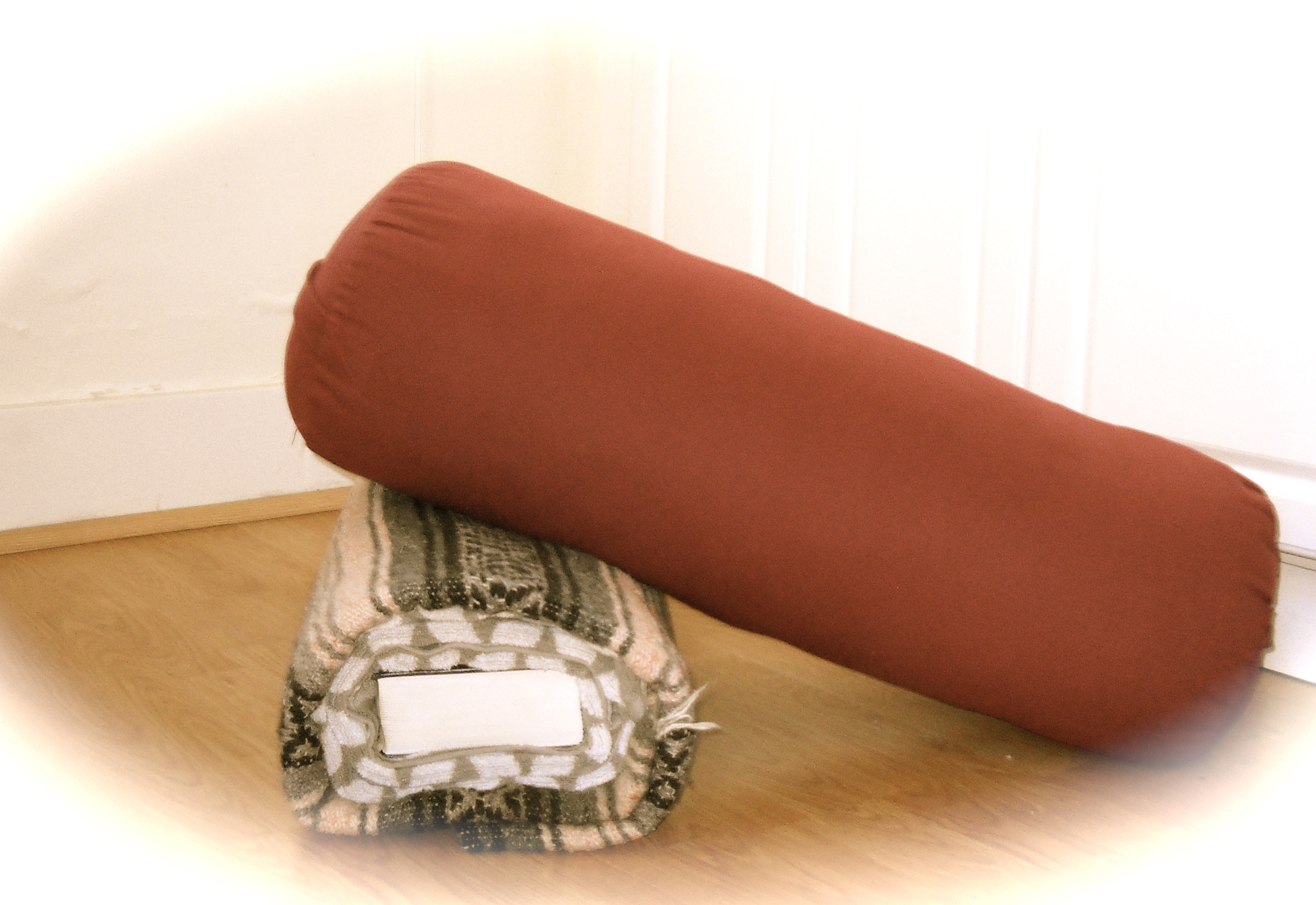
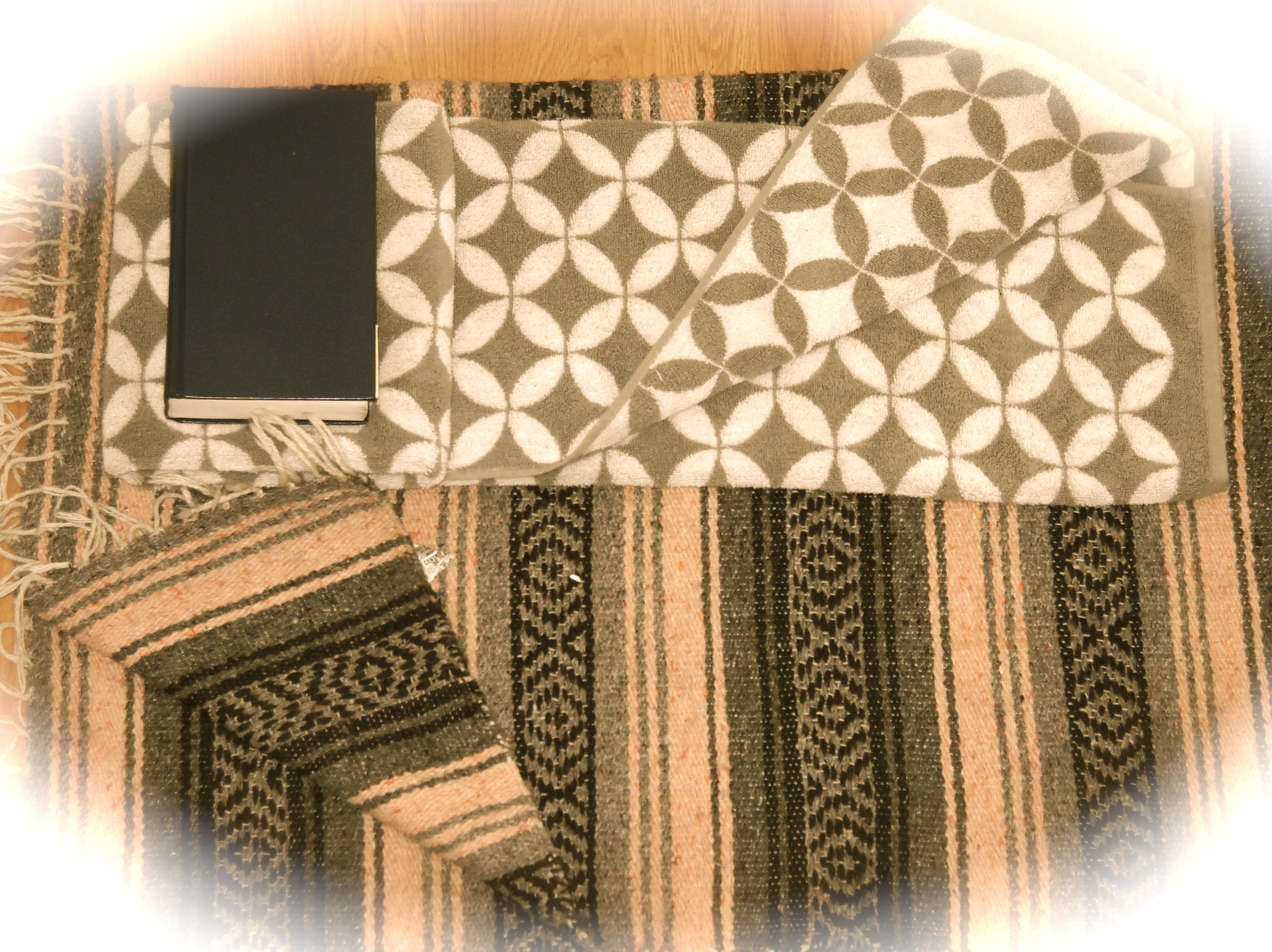
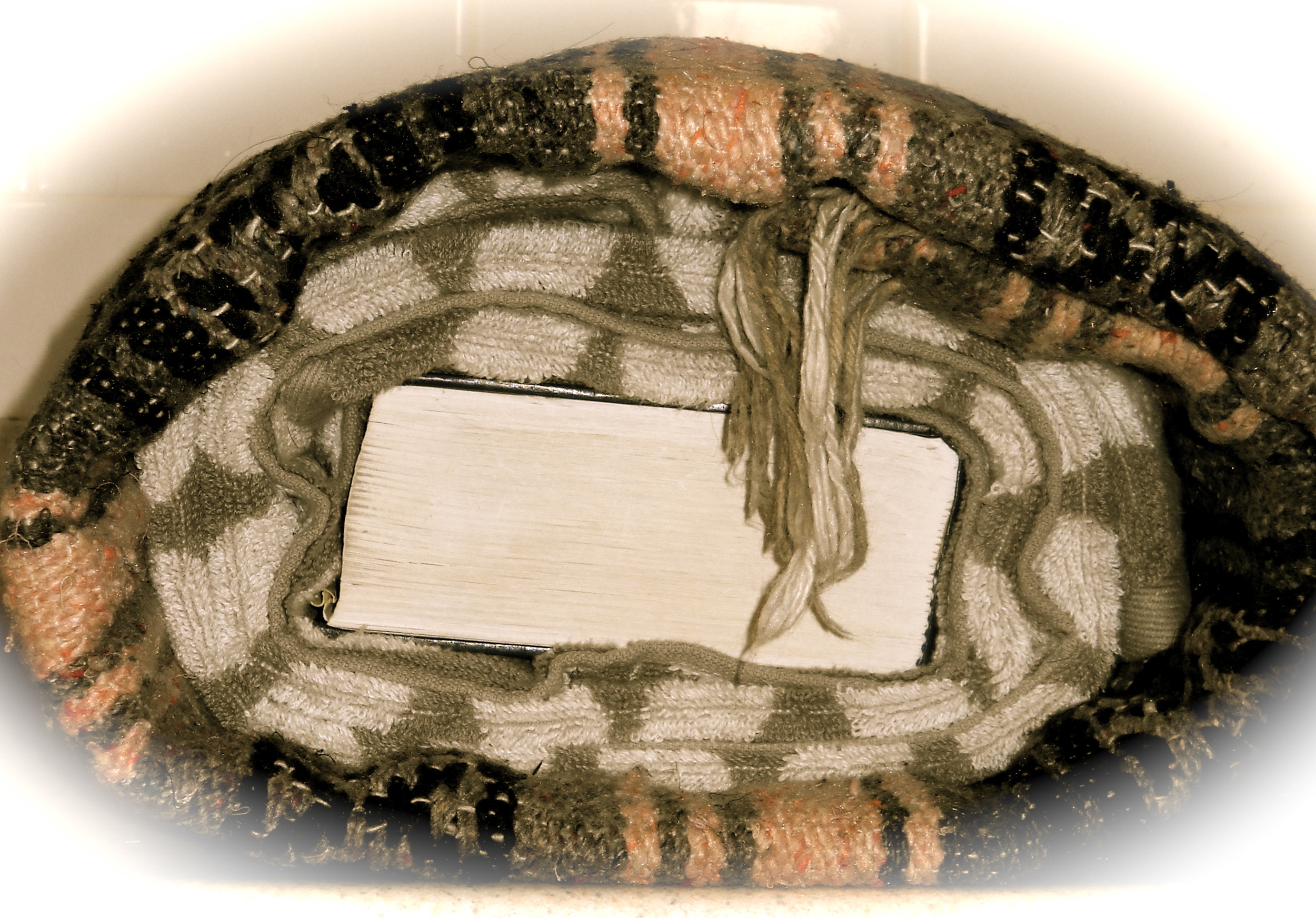
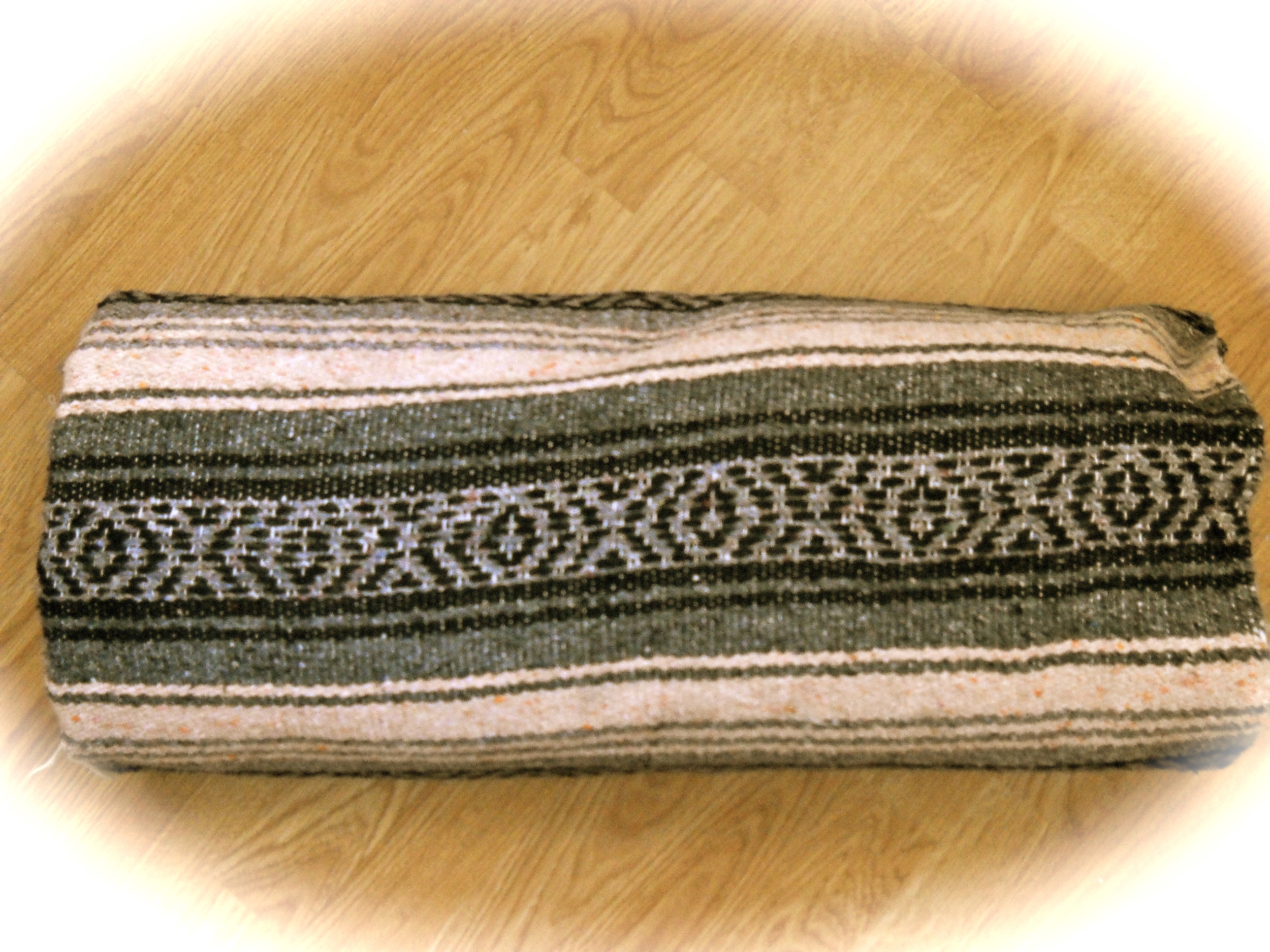
Here is where your muscles come in place. You must wring out as much water as you can, ask for help if mat is too heavy. When you can’t squeeze more water out of the mat, roll your mat and one of the towels together as shown in the picture. You can step on this roll to get as much water out of the mat as possible. You can hang your mat on the drying rack for 48 hrs or so, make sure the mat is dry before you start using it again. You will feel so good and proud of your mat. Keep cleaning it with the spray/wipe method and you probably won't need to do the bath more than once or twice a year.





 I recently met this beautiful girl, Christine McSpedon. She is a Holistic Health Counselor from the
  and Humidity. Here is the run down in my own words,
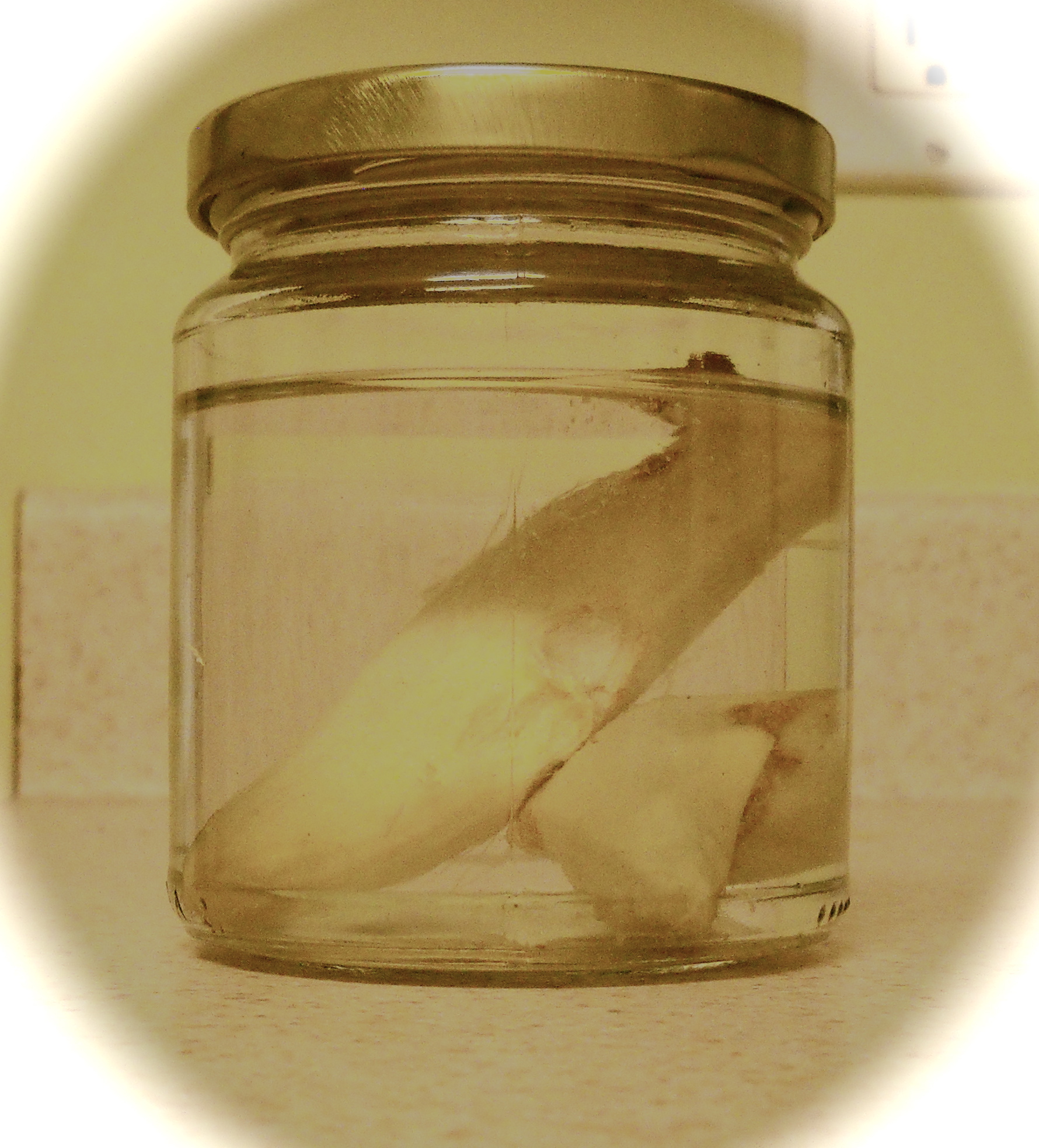 Whenever I can, I use fresh ingredients. One of my favorite flavors to add to any zesty meal is ginger root (by the way not really a root, but an underground stem or rhizome). Minced or grated, the fresh aroma of ginger root will evoke voluptuousness and its spicy flavor will delight you every time. Fresh ginger root is like the
 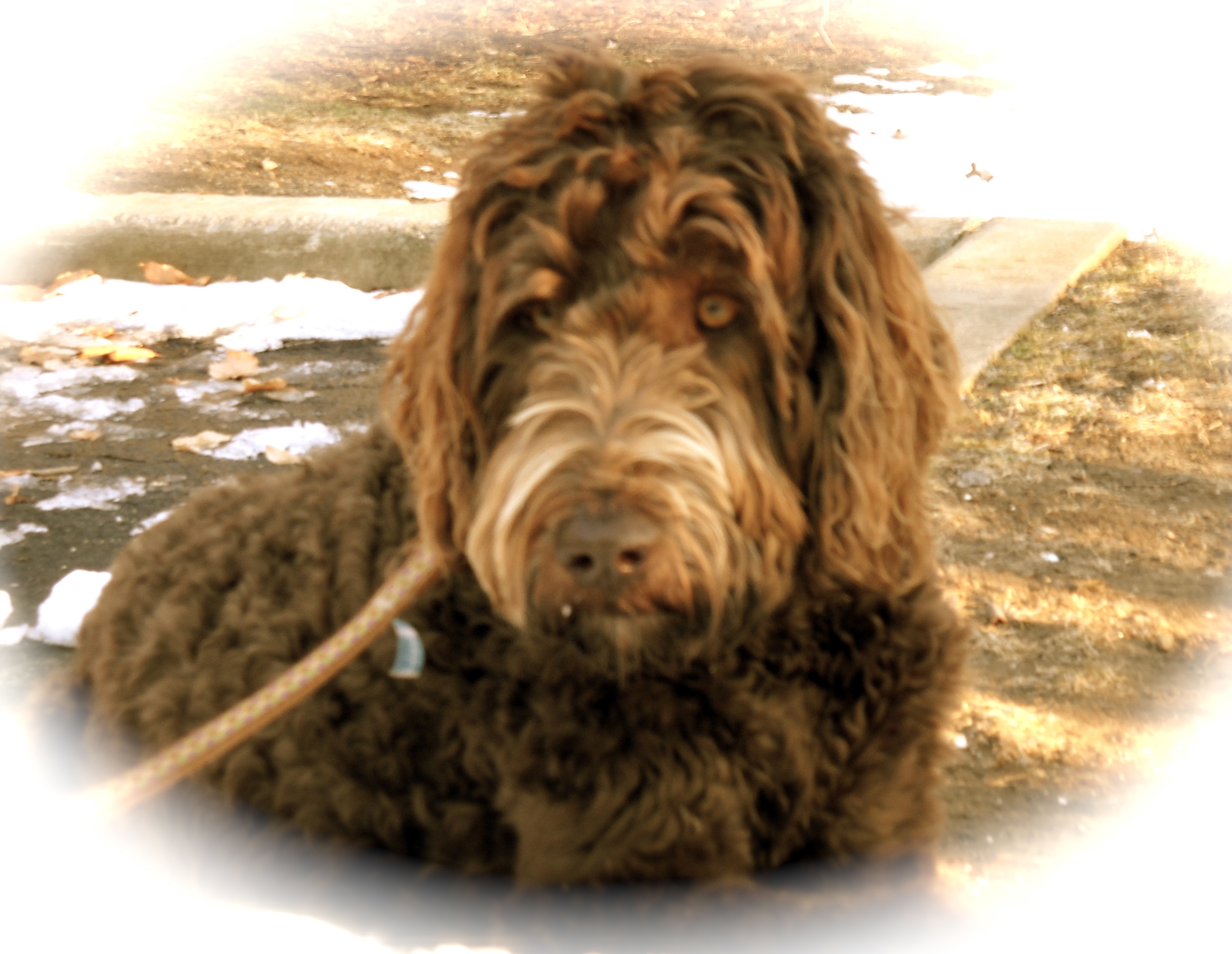 The winter months seem to move slower than the rest of the year, which I am always willing to emulate. The darkness, I thought, was an invitation to contemplate in the solitude of my home. And there is a lot of true in that. My thoughts about winter shifted recently, when my friend Lafy invited me to a walk in the park with her (look at her, how can you resist?) This new experience showed me that there is so much more active energy in winter than what I thought. There in the woods, walking with friends, there was a clam, peaceful, almost inanimate scene, but the energy around us was inquisitive, playful, and inviting.
This shift in perspectives is similar to what we may experience during Savasana (a yoga pose meaning corpse pose). In the traditional pose, the body lays face up on the floor motionless, very much like a corpse or your drunk roommate in college. By staying still for some time and keeping the mind quiet, one relaxes in a very conscious way. According to B.K.S. Iyengar, one of the world’s foremost yoga teachers, this is a very difficult pose to master. You can see why; even when we ask the body to stay still, the mind will move in all directions. Sometimes, when I want to practice Savasana for a longer period of time (10-15 minutes), I try a more grounding version as the one I describe below. This isn’t a replacement for the classical pose; one must think of this version as hiking in a winter wonderland with a great friend; something you may not want to do everyday, but you sure enjoy it every time.
The winter months seem to move slower than the rest of the year, which I am always willing to emulate. The darkness, I thought, was an invitation to contemplate in the solitude of my home. And there is a lot of true in that. My thoughts about winter shifted recently, when my friend Lafy invited me to a walk in the park with her (look at her, how can you resist?) This new experience showed me that there is so much more active energy in winter than what I thought. There in the woods, walking with friends, there was a clam, peaceful, almost inanimate scene, but the energy around us was inquisitive, playful, and inviting.
This shift in perspectives is similar to what we may experience during Savasana (a yoga pose meaning corpse pose). In the traditional pose, the body lays face up on the floor motionless, very much like a corpse or your drunk roommate in college. By staying still for some time and keeping the mind quiet, one relaxes in a very conscious way. According to B.K.S. Iyengar, one of the world’s foremost yoga teachers, this is a very difficult pose to master. You can see why; even when we ask the body to stay still, the mind will move in all directions. Sometimes, when I want to practice Savasana for a longer period of time (10-15 minutes), I try a more grounding version as the one I describe below. This isn’t a replacement for the classical pose; one must think of this version as hiking in a winter wonderland with a great friend; something you may not want to do everyday, but you sure enjoy it every time.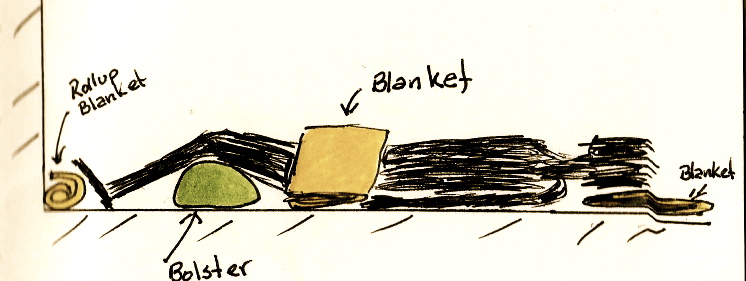 and place it alongside a wall. Lie down with the soles of your feet against the blanket. Place an additional rolled blanket or bolster under your knees. These actions will passively engage you calve muscles and allow the thighbones to move deeper into the hip socket (i.e., for